

Most businesses do not need more marketing tools. They need fewer manual steps between a lead arriving and a human replying. That is the job of marketing automation tools. They send the right message on the right channel when a customer acts. Your team then spends its time on conversations that close.
Choosing one is harder than it looks. Some tools are built for email, some for ecommerce and some for enterprise teams with engineers on staff. In India, the list of must-haves also includes WhatsApp, rupee pricing and lead capture from local sources.
This guide explains how marketing automation works, the features that matter and how to choose. It then compares 11 leading tools on features, pricing and India fit, and ends with the workflows to automate first.
Key Takeaways
- Marketing automation runs on three parts: a trigger, a condition and an action.
- In India, WhatsApp support and DLT-compliant SMS matter as much as email features.
- Compare prices at your real contact count and team size, not the starting price.
- Sales-led teams need automation tied to their CRM and calling, not just email campaigns.
- Start with three workflows: instant lead response, nurture and re-engagement.
What Is a Marketing Automation Tool?
A marketing automation tool is software that sends messages and updates records on its own when a customer acts. That action might be filling a form, opening an email or going quiet.
It swaps manual follow-up for rules. Once you set a workflow, it runs the same way for every lead, at any hour.
How Does Marketing Automation Work?
Every workflow has three building blocks. Here is how they look for a real estate enquiry:
| Part | What it is | Example |
|---|---|---|
| Trigger | The event that starts the workflow | A buyer submits an enquiry on a property portal |
| Condition | The rule that decides what happens next | Budget above ₹1 crore and city is Pune |
| Action | What the system does | Send a WhatsApp brochure and assign the lead to the luxury sales team |
Workflows link together. If the buyer does not reply in two days, a second trigger fires and the lead moves to a nurture sequence. If they book a site visit, the nurture stops and the sales stage updates.
Marketing Automation vs CRM vs Email Marketing
| Marketing automation | CRM | Email marketing tool | |
|---|---|---|---|
| Main job | Run triggered campaigns across channels | Store customer data and manage the sales pipeline | Send email campaigns |
| Channels | Email, SMS, WhatsApp, push, ads | Calls, notes, tasks, deals | Email only |
| Main user | Marketing team | Sales team | Marketing team |
| Best when | Leads need nurturing over time | Deals need tracking to closure | You mainly send newsletters |
The lines are blurring. Many platforms now do all three. If you are new to the CRM side, start with our explainer on what a CRM is.
8 Features That Matter in a Marketing Automation Tool
On a pricing page, every tool claims the same features. The real difference shows up three months later, when your team either uses the tool every day or quietly drifts back to spreadsheets and personal WhatsApp. These eight features decide which way it goes:
- Visual workflow builder: drag-and-drop journeys that marketers can edit without a developer.
- Multi-channel messaging: email, SMS and WhatsApp from one place.
- Behaviour-based segments: groups built on what people do, such as pages visited or messages opened.
- Lead scoring: points that show sales who to call first.
- CRM sync: data flows both ways, so sales sees every campaign a lead received.
- Lead capture integrations: forms, ads and, for Indian businesses, sources like portals and directories.
- Revenue reporting: which workflows bring bookings and sales, not just opens.
- Templates: ready-made workflows for teams without a marketing operations specialist.
You will not need all eight on day one. A small team can start with a workflow builder, WhatsApp messaging and CRM sync, then add lead scoring and revenue reports as lead volume grows. If a tool is weak on any of those first three, keep looking.
How to Choose a Marketing Automation Tool in India
Answer these five questions before you book any demo:
- Where do your leads talk to you? If buyers reply on WhatsApp, native WhatsApp Business API support is essential.
- Will you send SMS? Commercial SMS in India needs DLT registration under TRAI rules. Check that the tool or its SMS partner handles it.
- Is your sales process call-led? Then automation must connect to your CRM and calling, not run as a separate email tool.
- What will it cost at your real scale? Price it at your contact count, users and message volume, in rupees where possible.
- Who will run it? Enterprise platforms need specialists. Smaller teams need templates and quick setup.
The best marketing automation tool is the one your team still uses six months after the demo.
11 Best Marketing Automation Tools Compared
Prices below are starting prices as published on each vendor’s site in 2026. They change often, so confirm them before you buy.
| Tool | Best for | Channels | Starting price | India fit |
|---|---|---|---|---|
| Leadrat | Real estate sales teams | WhatsApp, calls, email, drip follow-ups | ₹1,499–2,299/user/month | Built for India and UAE property |
| HubSpot | Growing B2B teams | Email, social, ads, WhatsApp integration | $7/user/month (Starter) | Strong ecosystem, USD pricing |
| Zoho Marketing Automation | Teams already on Zoho | Email, SMS, social, web | See vendor site | Indian company, INR plans |
| Brevo | Budget-conscious SMBs | Email, SMS, WhatsApp, chat | ₹562.50/month (annual) | INR pricing, WhatsApp built in |
| ActiveCampaign | Complex automation logic | Email, SMS, WhatsApp | $15/month | Deep workflows, USD pricing |
| MoEngage | Large B2C apps | Push, in-app, email, SMS, WhatsApp | Custom | Indian-founded, B2C focus |
| Klaviyo | Data-driven ecommerce | Email, SMS | Free; paid from $45/month | Best for D2C stores |
| Omnisend | Shopify and WooCommerce stores | Email, SMS, push | Free; paid from $11.20/month | Affordable ecommerce option |
| Mailchimp | Beginners and small businesses | ₹385/month | Simple, INR pricing | |
| GetResponse | Webinar-led lead generation | Email, SMS, webinars | ₹1,501.57/month (annual) | INR pricing |
| Salesforce Marketing Cloud | Enterprises on Salesforce | Email, SMS, push, WhatsApp, ads | $1,500/org/month (Growth) | Enterprise budgets only |
Best for Sales-Led and Real Estate Teams
1. Leadrat
Leadrat is a CRM built only for real estate, with automation inside the sales workflow. It captures leads from portals, ads, websites and QR codes, routes each lead by rules and sends automated WhatsApp and drip follow-ups. Agents see every message and call on one record.

Best for: Developers, brokers and channel partners in India and Dubai who sell through calls, site visits and WhatsApp.
Watch out for: It is CRM-first, so it is not the right pick for newsletter-heavy or ecommerce marketing.
Pricing: Per user per month, from ₹2,299 for small teams down to ₹1,499 at 100 users, billed annually. See current pricing.
Best All-in-One Platforms
2. HubSpot
HubSpot combines CRM, email, landing pages, social scheduling and workflows in one connected system. Its biggest strength is shared data: sales can see every email a lead received before the first call.

Best for: B2B companies that want marketing, sales and service on one platform.
Watch out for: Advanced workflows, lead scoring and custom reports sit in the Professional tier, which starts at around $800 a month.
Pricing: Free tools available. Starter from $7 per user per month, billed annually.
3. Zoho Marketing Automation
Zoho Marketing Automation links email, SMS, social and web tracking with Zoho CRM. Journeys can react to website visits, form fills and email behaviour, and lead data flows straight into the sales pipeline.

Best for: Businesses already using Zoho CRM or Zoho One that want automation without a new vendor.
Watch out for: It works best inside the Zoho ecosystem. Teams on other CRMs will need integration work.
Pricing: Zoho lists its plans in INR, and the price depends on contact count.
4. Brevo
Brevo covers email, SMS, WhatsApp and live chat, with a light CRM included. It prices mainly on emails sent rather than contacts stored, which suits businesses with big lists that send selectively.

Best for: Small and mid-size teams that want multi-channel campaigns at a low cost.
Watch out for: Automation depth is lighter than specialist tools, and ecommerce features trail Klaviyo.
Pricing: Starter from ₹562.50 per month on annual billing.
Best for Advanced Automation
5. ActiveCampaign
ActiveCampaign has one of the most flexible workflow builders outside the enterprise tier, with many triggers, branching paths and site tracking. It handles email, SMS and WhatsApp alongside a built-in sales pipeline.

Best for: Growing teams that need branching, behaviour-based nurture journeys.
Watch out for: The entry plan limits automation. Meaningful branching and CRM features need higher tiers, and cost rises with contacts.
Pricing: Starter from $15 per month.
6. MoEngage
MoEngage is an Indian-founded engagement platform for consumer brands. It runs push, in-app, email, SMS and WhatsApp journeys based on live app and website behaviour. AI picks the timing and channel.

Best for: B2C apps and brands with large user bases, such as fintech, ecommerce and media.
Watch out for: It is built for scale and needs technical setup. It is more than most small businesses need.
Pricing: Custom pricing based on users and modules.
Best for Ecommerce
7. Klaviyo
Klaviyo ties every flow and report to store revenue. It predicts each customer’s next order and lifetime value, and syncs closely with Shopify.
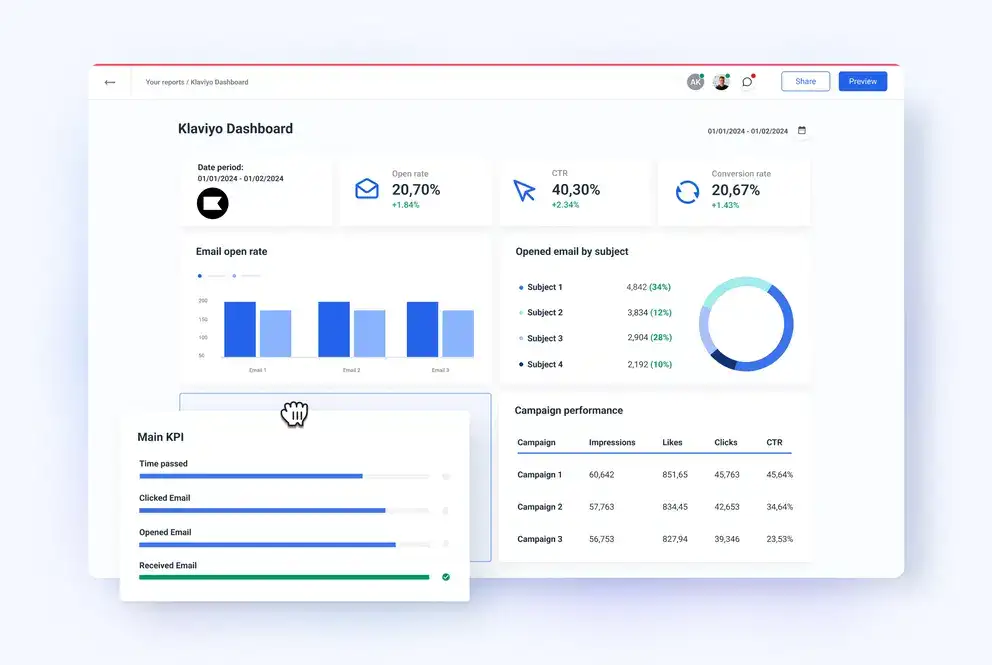
Best for: D2C brands that run their marketing on purchase data.
Watch out for: Costs climb quickly as the list grows, and its SMS coverage is strongest outside India.
Pricing: Free plan for small lists. Marketing plan from $45 per month.
8. Omnisend
Omnisend gives Shopify and WooCommerce stores ready-made flows for abandoned carts, welcome series and post-purchase follow-ups, across email, SMS and push.

Best for: Small and mid-size online stores that want solid automation without Klaviyo’s price.
Watch out for: Segmentation and analytics are less advanced than Klaviyo’s.
Pricing: Free plan available. Standard from $11.20 per month on annual billing.
Best for Beginners
9. Mailchimp
Mailchimp is the familiar starting point for email marketing, with a simple editor and a large library of integrations.
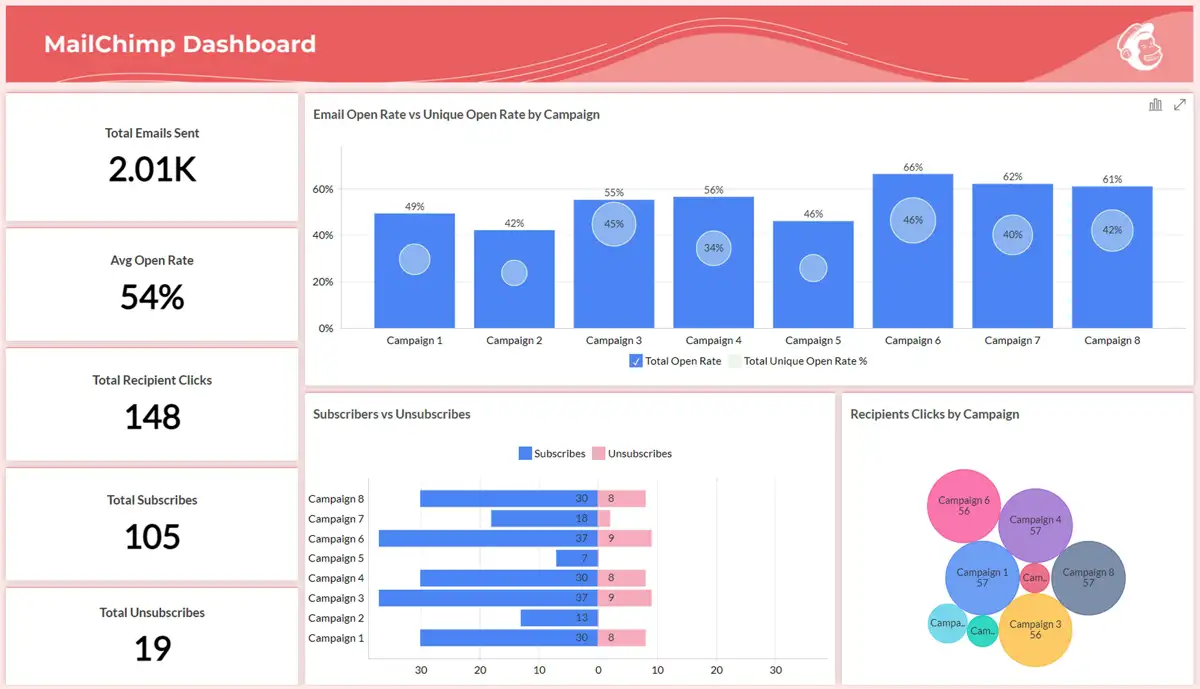
Best for: Solo marketers and small businesses that mainly send email campaigns.
Watch out for: Automation on lower plans is basic, and the free plan no longer includes it.
Pricing: Essentials from ₹385 per month.
10. GetResponse
GetResponse pairs email automation with landing pages, funnels and a built-in webinar tool. That makes it useful for teams that win leads through live sessions.

Best for: Coaches, consultants and B2B teams that run webinars.
Watch out for: Automation logic is lighter than ActiveCampaign’s, and it has a learning curve.
Pricing: Starter from ₹1,501.57 per month on annual billing.
Best for Enterprises
11. Salesforce Marketing Cloud
Salesforce Marketing Cloud designs journeys across email, SMS, push, WhatsApp and ads, all linked to Salesforce CRM data. Its AI handles send-time and engagement optimisation.

Best for: Large organisations already running Salesforce.
Watch out for: It is modular and complex. Most companies need a certified partner to set it up.
Pricing: Marketing Cloud Growth Edition from $1,500 per org per month on annual billing.
Selling property in India or Dubai? Leadrat captures every portal and ad lead, routes it in seconds and sends automated WhatsApp follow-ups, all inside your sales CRM. Book a free Leadrat demo.
What Should You Automate First?
Do not automate everything at once. Start with the workflows that protect revenue:
- Instant lead response. Send a WhatsApp or email reply within minutes of an enquiry. Our guide to speed to lead explains why the first hour matters.
- Lead routing. Assign each lead to the right person by rules, not by hand. See our guide to lead routing.
- Nurture sequences. Share useful content over weeks for leads that are not ready yet. Our lead nurturing guide has examples.
- Event and site visit reminders. Confirm, remind and follow up, so more registrations turn into attendance.
- Re-engagement. Reach contacts who have gone quiet for 60 to 90 days with a new reason to reply.
- Post-sale messages. Ask for reviews and referrals once the deal closes.
Is Marketing Automation Worth It?
The return can be strong. Nucleus Research found that marketing automation returned $5.44 for every dollar spent across the deployments it studied.
The catch is that automation multiplies what you already do. Clear messaging and good timing get better at scale. Generic messages and poor timing simply reach more people. Map your customer journey first. Then automate the moments where leads drop off.
For more on reaching buyers online, read our playbook on real estate digital marketing in India. To compare CRMs that track leads end to end, see our list of the best lead tracking software.
The Bottom Line
There is no single best marketing automation tool. Email-first teams should look at Brevo, ActiveCampaign or Mailchimp. Ecommerce brands should look at Klaviyo or Omnisend. Enterprises should look at Salesforce or MoEngage. Sales-led real estate teams need automation inside their CRM, where calls, WhatsApp and site visits already live. Keep every WhatsApp chat on the lead record with WhatsApp CRM.
Pick the tool that matches how your customers actually buy, not the one with the longest feature list.
Turn every enquiry into a conversation in minutes. Leadrat combines lead capture, smart routing, WhatsApp automation and pipeline tracking for real estate teams. Get your free demo today.
Frequently Asked Questions
What is a marketing automation tool?
It is software that sends messages and updates records on its own when a customer acts. Examples include filling a form, opening an email or going quiet.
Which marketing automation tool is best for small businesses in India?
Brevo and Mailchimp suit budget-conscious email and SMS teams, with INR pricing. Sales-led teams that rely on calls and WhatsApp are better served by a CRM with built-in automation.
Do I need DLT registration to send SMS in India?
Yes. Commercial SMS in India must follow TRAI’s DLT rules, which cover sender IDs and message templates. Check that your tool or SMS partner supports it.
What is the difference between marketing automation and CRM?
Marketing automation runs triggered campaigns across channels. A CRM stores customer data and tracks deals through the sales pipeline. Many platforms now combine both.
Can marketing automation work with WhatsApp?
Yes. Many tools now support the WhatsApp Business API for automated replies, reminders and follow-ups. Check native support before you buy.
Which workflows should I automate first?
Start with instant lead response, rule-based lead routing and nurture sequences. Add reminders, re-engagement and post-sale messages next.